
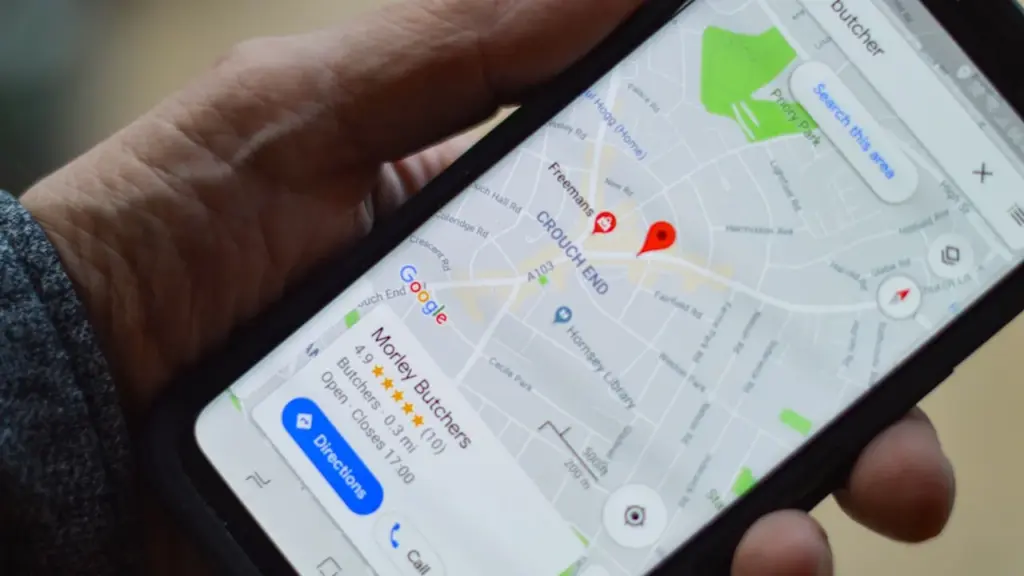
TL;DR: Google Maps ranking can help Gozo businesses win local searches from customers ready to act. A complete Google Business Profile, reviews, local relevance and consistent details are the practical foundations.
What Google Maps Actually Looks At
Google’s local ranking algorithm weighs three things: relevance, distance, and prominence. Relevance is whether your business matches what someone searched for. Distance is how close you are to the searcher. Prominence is how well-established and trustworthy Google perceives you to be.
You can’t control distance. You can influence relevance by describing your business accurately. But prominence — that’s where most businesses leave the most on the table, and it’s almost entirely within your control.
Step 1: Claim and Verify Your Google Business Profile
This sounds obvious. It isn’t always done. Go to business.google.com, search for your business, and either claim it or create it from scratch. Google will send a verification postcard to your address, or in some cases offer phone or email verification. Do this first. Nothing else matters until you’re verified.
If your business already exists but you didn’t create it, someone — possibly a customer — may have added it. You can still claim it. Google will walk you through the process. Don’t skip this step thinking it’ll sort itself out. It won’t.
Step 2: Fill In Every Single Field
Google rewards completeness. A half-finished profile signals either a business that doesn’t care or one that doesn’t exist in any meaningful way. Neither is the impression you want. Fill in your business name exactly as it appears on your signage or official documents — no keyword stuffing in the name field, which Google actively penalises.
Choose your primary category carefully. This is arguably the most important field in the whole profile. If you run a bakery, “Bakery” should be your primary category — not “Food and Drink” or “Shop.” Add secondary categories where they genuinely apply. A guesthouse that also runs boat trips could reasonably list both.
Add your full address, your local Gozo phone number, your website URL, and your opening hours. Include special hours for public holidays. Update them when things change. A business showing as “open” when it’s actually closed is one of the fastest ways to lose trust and tanking your ranking.
Step 3: Write a Business Description That Actually Works
You have 750 characters for your business description. Use them purposefully. Write about what you do, who you serve, and what makes you worth choosing. Weave in natural references to Gozo and your specific location — Victoria, Xlendi, Nadur, wherever you are — because these signal local relevance to Google’s algorithm without feeling forced.
Avoid writing it like a press release. Write it like a thoughtful answer to the question: “Why should someone in Gozo choose you?” That’s genuinely what it’s for.
Step 4: Add Photos Regularly — and Make Them Good
Profiles with photos receive significantly more clicks and direction requests than those without, according to Google’s own data. This isn’t speculation. Upload photos of your premises, your products or services, your team, and the view if it’s worth seeing (and in Gozo, it often is). Real photos taken on a decent phone in good light will do the job — they don’t need to be professionally shot.
The key word is regularly. Fresh photos signal an active business. Upload something new at least once a month. A picture of a new dish, a seasonal display, work in progress — anything that shows you’re still there and still paying attention.
Step 5: Get More Reviews — and Respond to All of Them
Reviews are currency on Google Maps. Quantity matters. Quality matters. Recency matters. A business with forty reviews from three years ago will gradually lose ground to one that has fifteen reviews but earned three of them last week. Ask your customers to leave a review. Not in a pleading way — just naturally, after a good interaction. “If you’ve got a moment, a Google review would really help us out” is honest and effective.
Respond to every review. Thank people for positive ones — briefly and genuinely, not with copy-pasted corporate filler. For negative reviews, stay calm, acknowledge the experience, and offer to make it right. Potential customers are watching how you handle criticism far more closely than how you handle praise.
Step 6: Post Updates Through Google Posts
Few businesses use this feature, which is exactly why you should. Google Posts let you share updates, offers, events, and news directly on your Business Profile. They appear in your listing on Maps and Search. Google hasn’t confirmed exactly how much they influence ranking, but they do signal activity — and an active profile is treated more favourably than a dormant one.
Post something once a week if you can. An offer, an event, a new product, a seasonal update. Keep it brief. Include a photo. The effort is low; the cumulative effect is real.
Step 7: Keep Your Information Consistent Everywhere
This is one most people miss. Google cross-references your business details across the web. If your name, address, and phone number appear differently on Facebook, your website, local directories, and your Google profile, it introduces doubt. Doubt reduces trust. Reduced trust hurts your ranking.
Check every place your business appears online and make sure the details match precisely — same name format, same address, same number. In Malta and Gozo specifically, make sure you’re listed on the Malta Business Registry if applicable, and on any Gozo-specific tourism or business directories. These local citations carry weight.
Frequently Asked Questions
How long does it take to rank on Google Maps?
There’s no fixed timeline. Some businesses see movement within weeks of optimising their profile; others take a few months. Gozo’s lower competition means results can come faster than in a large city. Consistency matters more than speed — keep the profile active and the signals will accumulate.
Do I need a website to rank on Google Maps?
Not strictly, but having one helps. A website gives Google additional signals about what your business does and where it’s located. Even a simple one-page site with your services, location, and contact details adds credibility. Link it to your Business Profile and make sure the details match.
Can I get penalised for adding keywords to my business name?
Yes. Google’s guidelines are clear that the business name field should reflect your real-world trading name. Adding “Best Plumber Gozo” to what is actually “Joe’s Plumbing” is a violation that can result in your listing being suspended. It’s not worth the risk, and it rarely produces lasting gains anyway.
What if my business operates from home or doesn’t have a public address?
You can set a service area instead of a physical address. This is common for tradespeople, cleaners, tutors, and similar businesses. Google Maps will show your service area rather than a pin. You can still rank well — just make sure your service area accurately reflects where you actually work.